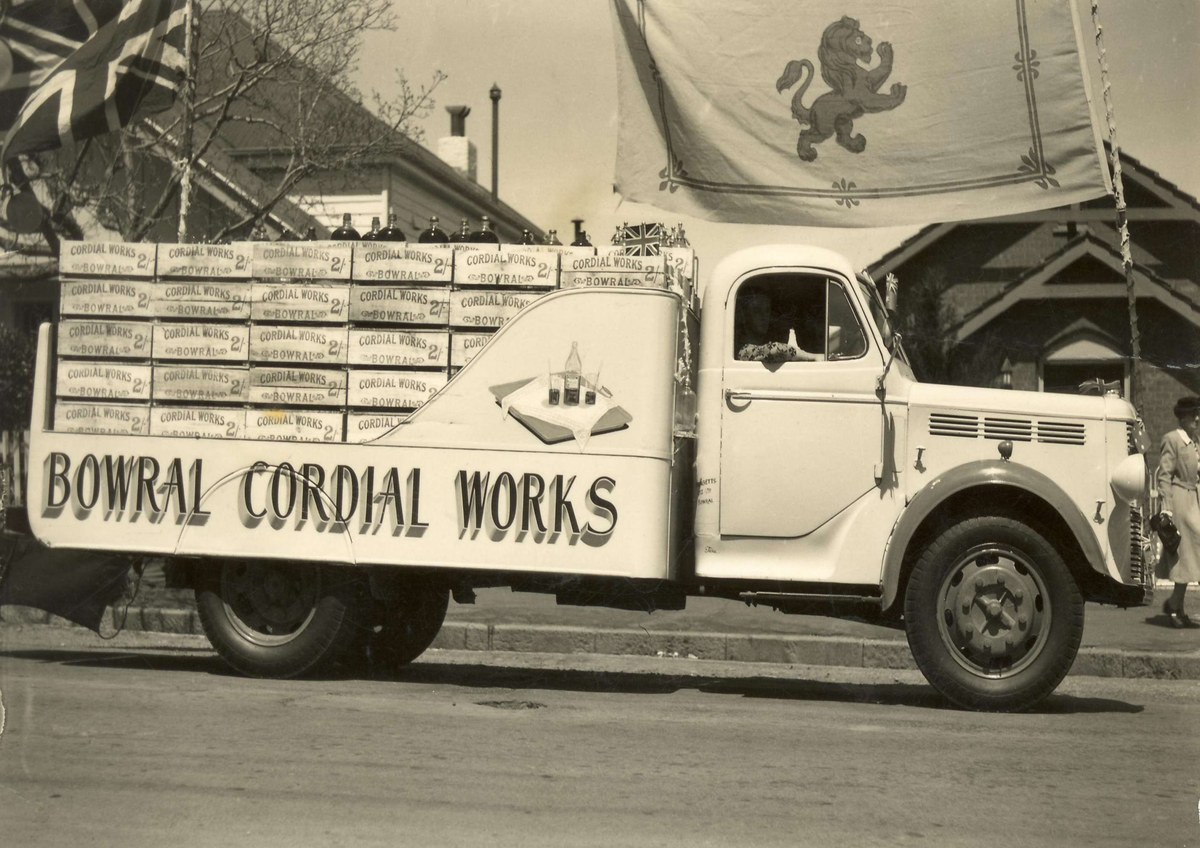
A business may change its trading name, owners and address. Build a timeline of the enterprise and its people rather than treating one advertisement as its complete history.
Make a start
Collect the clues
Write down the business name and variants, locality, owners or managers, trade and approximate period.
Find dated mentions
Search Trove newspapers and government gazettes for advertisements, notices and trade reports. Compare OCR results with the scanned pages.
Search directories and archives
Use local or telephone directories and search the State Archives guide for firm registers and company packets where relevant.
Connect people and place
Compare addresses, property records, photographs and the Society’s library or industrial collections. Record source dates and keep uncertainty visible.
A firm is not always a company
A sole trader, partnership and incorporated company can leave different records. Museums of History NSW explains that company packets and firm registers cover different periods and entities; not every business appears in either series.
A directory entry is evidence of what a directory recorded for that edition. It may lag a move or closure, so use multiple dated sources before assigning an operating period.
Follow the business through time
Make a dated timeline from advertisements, directories, telephone listings, gazettes, newspapers and family papers. Note each name, proprietor, trade and address exactly as recorded. Search for a former trading name, a partner’s name and a street address; later advertisements and insolvency or partnership notices can reveal changes.
Use Museums of History NSW and the State Library guides to identify firm registers, company packets and other business records. An incorporated company, a partnership and a sole trader leave different trails, and survival varies. Record the archive series and item number before arranging access.
Connect a shop or workplace to its setting
Compare shop photographs and advertisements with maps, subdivision plans and title records. A business address identifies a place of trading; establish land ownership separately. Look for staff, deliveries, suppliers, fires, auctions and celebrations in local newspapers and Society newsletters to give the business a human story.
At the Society’s research centre, search the library catalogue and ask about local business files, photograph collections and directories. For the cement industry, explore the Society’s SPC / Blue Circle annual volumes, which record workers, community activities and the works over many years. Wingecarribee Public Libraries’ Local Studies collection is another useful starting point.
A worked example
This example is fictional and illustrates a research method, not a real historical finding.
Who ran a shop in a particular year?
Suppose a family photograph shows a shop name but no date. Search the name and locality in Trove advertisements and notices, including spelling variants, and record the newspaper date and page for each result.
Compare those results with directories and the Society’s photographs. A matching address can connect clues, but a proprietor, tenant and property owner may be different people; keep those claims separate.
From London designs to a Bowral business
Harold Archibald “Archie” Homann trained in his family’s London decorating firm before settling in Bowral in 1913 and starting a local business. His granddaughter Jill Lees shared material with the Society, including an original ceiling design for Trelm at Burradoo and colour copies of other designs. Those surviving drawings are a reminder to look beyond directories and advertisements: family papers, trade material and the work itself can reveal the skills behind a business.
Read Archie Homann’s story · See the designs · Explore Bowral
Useful resources
- Trove - Notices, reports, advertisements, people and place context.
- National Archives of Australia RecordSearch/NameSearch - Migration, naturalisation, defence and Commonwealth records.
- Museums of History NSW / State Archives family-history guide - Convicts, assisted immigrants, probate, schools, land and NSW government records.
- NSW Historical Land Records Viewer - Parcel history, subdivisions, historic titles and parish/town maps.
- Wingecarribee Public Libraries Local Studies - Local newspapers, photos, rate books, cemetery registers and council material.
- SPC / Blue Circle annual volumes
- Local business memberships
Explore the full research resource directory · Search the Society library catalogue · Browse Society newsletters
Let the Society help with your research
The Society can undertake professional research at $40 per hour. Tell us what you would like to discover, what you already know and any records you have checked. Contact the research centre to discuss your question and request a quote before work begins.
Email [email protected] or call (02) 4872 2169.
Common questions
Can a newspaper advertisement prove who owned the building?
Not by itself. It may identify a business or occupier; compare land and title records to investigate ownership.
Where can I find local industrial records?
Start with the Society’s SPC / Blue Circle volumes, library catalogue and research centre, then check relevant company, government and university archives.