Discover Glenquarry
Glenquarry’s farming and quarrying community secured a school in the late 1860s after children had faced difficult journeys to Mittagong or Bowral.
Explore nearby and connected places: Mittagong · Bowral · Kangaloon
Glenquarry through time
A school for a farming district
The Council heritage survey records that local dairy farmer James Griffith sought a school in 1867. The community was then mainly farming, with some quarrymen, and children had previously travelled to Mittagong or Bowral or missed schooling. The school opened in February 1869 near Folly Creek after debate over its location; it moved in 1892. The Society indexes the surviving admission register for 1902-1970, with photocopies of the original held in its archives.[7][8]
The 1867 school application used the name Upper Mittagong, and the dispersed rural population made choosing a central site difficult. Landowner and Camden MLA R. H. Roberts donated an acre near Folly Creek for the school. The school’s later relocation illustrates how distance, roads and the cooperation of local families shaped rural education.[7]
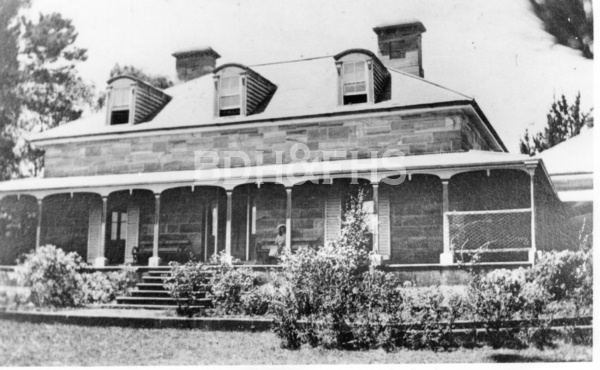
Roberton Park also offers a path into the district’s land and material history. The Powerhouse Museum identifies an imported Coalbrookdale fireplace from the 1850s house built for Richard Roberts near Bowral. A later family account says Oliver Norman, previously a tenant, bought lots when the property was subdivided in 1904; original sale plans and titles would help reconstruct the boundaries and confirm individual transactions.[15][16]
Dairying, families and remembrance
Dairying connected Glenquarry with a network of small factories across the eastern Highlands. The Society’s dairy history identifies the Roberton Park butter factory as opening in 1891, among those established as farmers organised local processing. Farmers brought milk to factories in cans; after separation, skim milk could be returned for stock. Later centralisation changed the role of these smaller factories.[14][18]
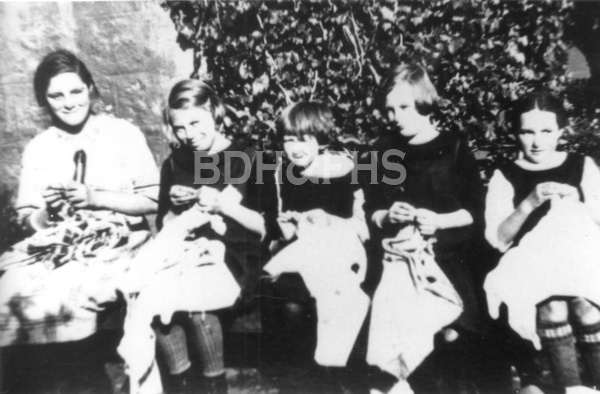
One former pupil was Joseph Henry “Joe” Ford. The Society’s 2010 tribute records that he grew up on a dairy farm in the district, worked on the family farm and later became general manager of the Berrima Co-operative. He contributed local dairy-industry histories and photographs to the Society, and served as its president from 1991 to 1994.[9]
Glenquarry was among the communities associated with Bowral’s war memorial, unveiled in January 1920. A Society retrospective reports that people of Bowral, Glenquarry and Burradoo erected it.[17]
An April 1904 newspaper account describes the proposed Roberton Park sale as about 1,300 acres divided into 17 farms, with nine blocks occupied by tenants. It marketed the land for farming and dairying and mentioned houses and water. This description records the sales campaign, not the outcome of every lot; the Norman family’s later account of a purchase can be tested against the auction plan and conveyances.[19]
For family research, the Society provides separate boys’ and girls’ admission indexes covering 1902-1970. The Society explains that photocopies of the original register are held in its archives and that the original pages can contain additional details; ask the research centre about access and current fees.[10][11][12]
Related historical names and search terms: Upper Mittagong. These may name a former settlement, institution or nearby feature; check the context in the sources.
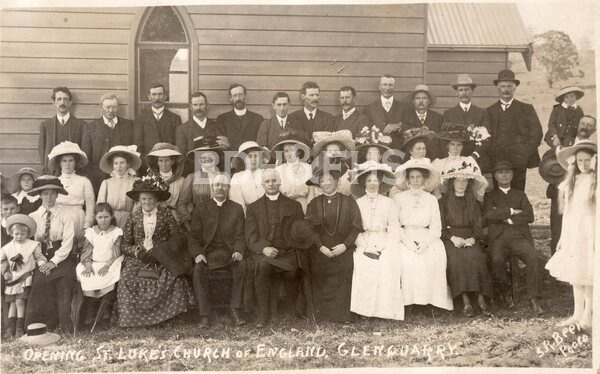
Browse local photographs linked to Glenquarry
Explore the Society’s photographs for sale
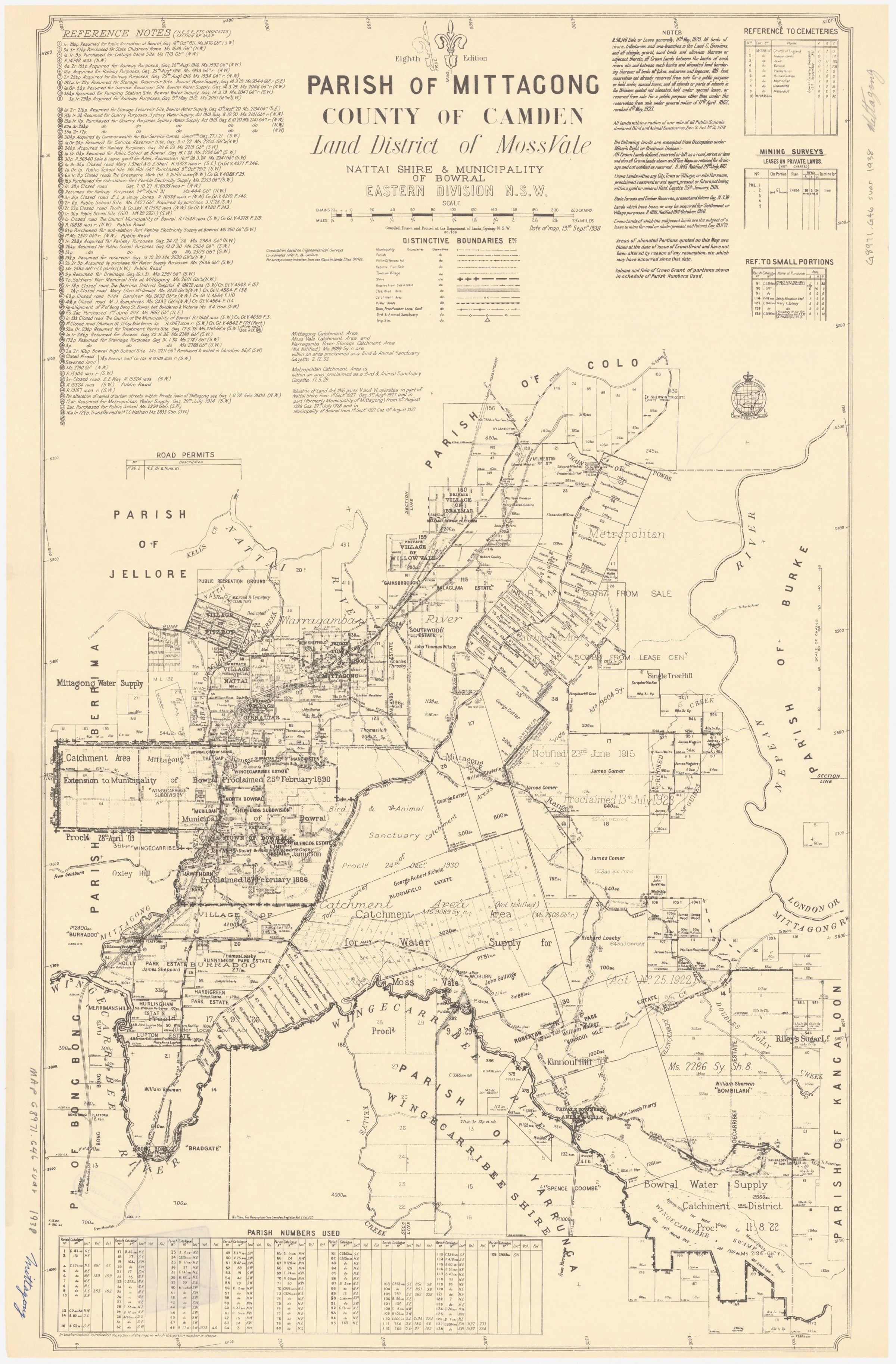
Browse maps and plans linked to Glenquarry
Newsletter Mentions
Stories about Glenquarry in the Society’s newsletters.
Further research
There is more to discover about Glenquarry in the Society’s archives and in other collections. A catalogue entry may lead to material that has not been digitised or needs to be consulted in person.
- Ask the Society’s research centre about local files, photographs and records.
- State Library of NSW collections - search photographs, maps, manuscripts and local publications.
- NSW Historical Land Records Viewer - search historical land records, plans and parish maps by place or parcel.
Sources already connected with this place include:
- Wingecarribee Heritage Survey 2009
- Sydney Wool and Stock Journal, 1 April 1904, p.12: Roberton Park and Merilbah sale
The Society can undertake professional research at $40 per hour. Contact the research centre to discuss your question and request a quote.