Discover Manchester Square
Farms and the old Meryla Road connect Manchester Square with dairying, timber and the steep route down towards Kangaroo Valley.
Explore nearby and connected places: Moss Vale · Meryla · Fitzroy Falls · Werai
Manchester Square through time
The road, farms and school
On the escarpment beyond Moss Vale, Manchester Square grew around farms and the old Meryla Road. Dairying shaped its history, while retaining walls and traces of old kerbing along the road recall the work of making a route through this steep country. The broader route is associated with Charles Throsby’s 1818 exploration towards Kangaroo Valley.[3]
The road leads into the story of Meryla Pass: timber, farms and hard journeys down towards the valley. Later newspaper accounts and local recollections bring those journeys to life, although the surviving road features belong to a history of changes over time rather than one known construction period.[4]
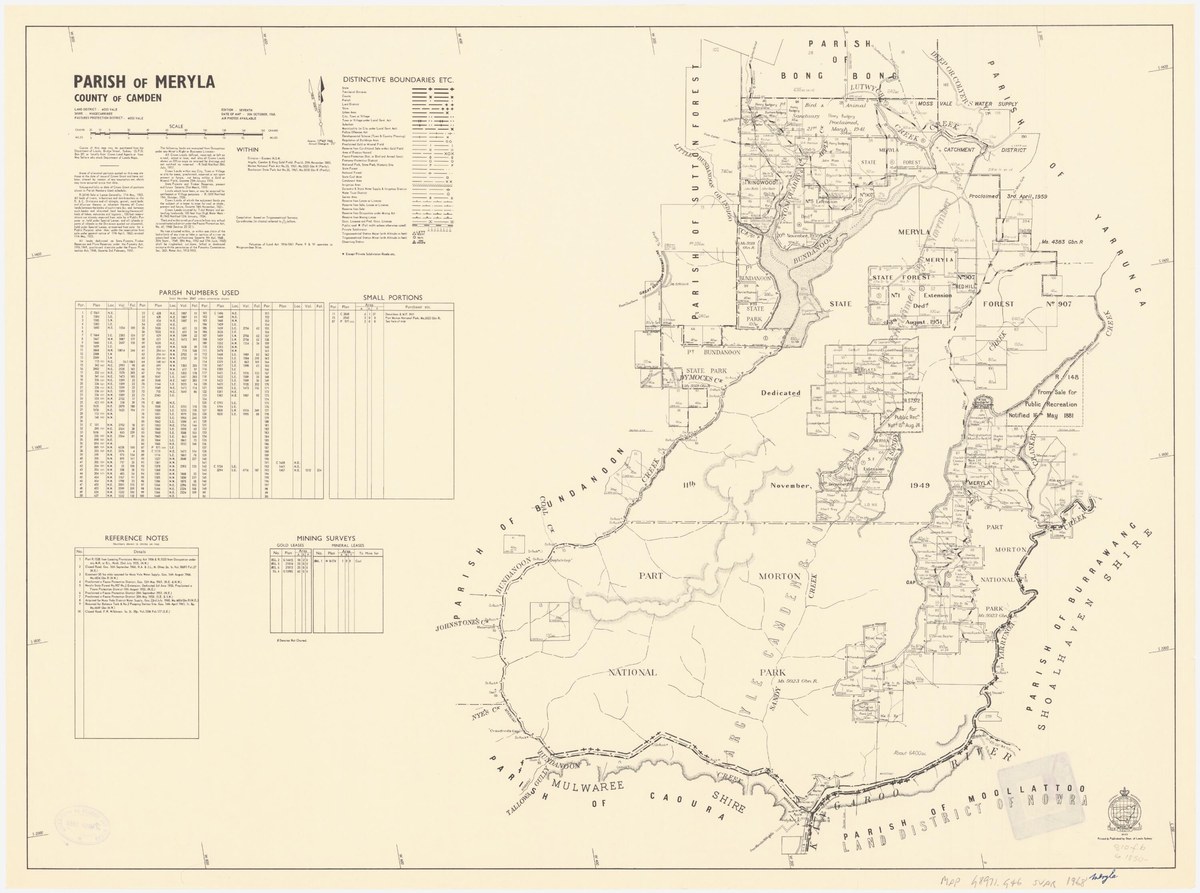
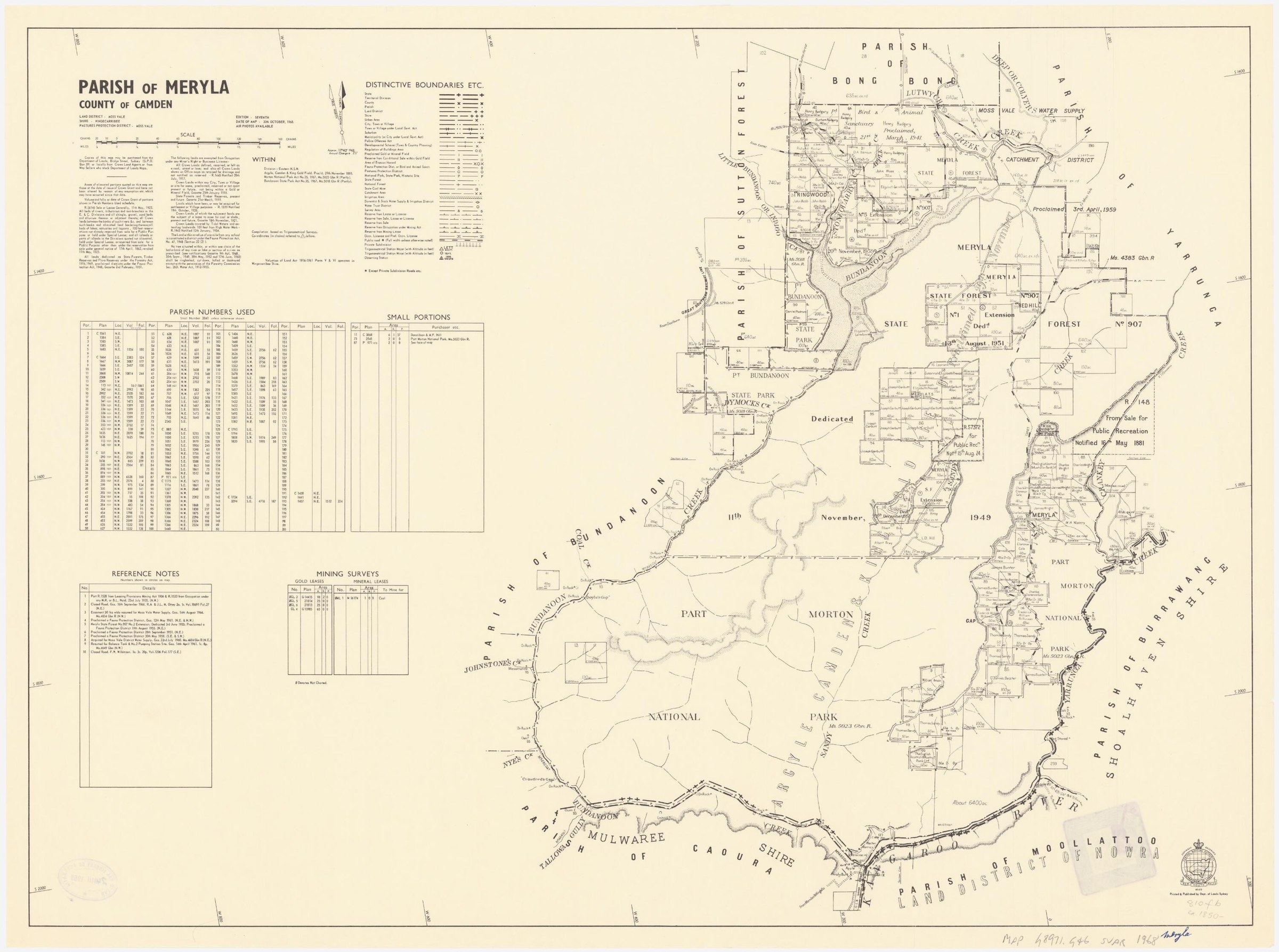
The older parish name Meryla covered a wider area than the present locality. In a history reproduced by Council, Society researcher Philip Morton explains that from the 1860s the parish included today’s Manchester Square and Werai as well as country further south. When looking for a farm or family in older records, search the parish name as well as the modern locality and compare the relevant map.[4]
Manchester Square had its own school. The NSW Department of Education’s historical dataset records it as a provisional school from October 1876, with later changes between provisional and public-school classifications. The final public-school period ended in March 1911. The records are useful for placing families in the district, but the changing classifications and any breaks should be checked before assuming continuous attendance.[5]
The butter factory
The Society’s dairy-industry history dates a butter factory at Manchester Square to 1891, one of several small factories serving farms east of Moss Vale. Farmers brought milk for processing, and the broader district later moved towards larger central factories. The precise factory site and the individual suppliers can be investigated through heritage records and contemporary newspapers.[6]
The Daily Telegraph reported the factory’s official opening on 4 February 1891, before farmers and residents of the district. The Mayor of Moss Vale started the machinery, and the paper reported that the first consignment of butter had already been sent to Sydney. A later newspaper report describes the company’s half-yearly meeting in Moss Vale in 1893, recording payments to milk suppliers and butter sales.[7][8]
Explore the Society’s photographs for sale
Browse maps and plans linked to Manchester Square
Newsletter Mentions
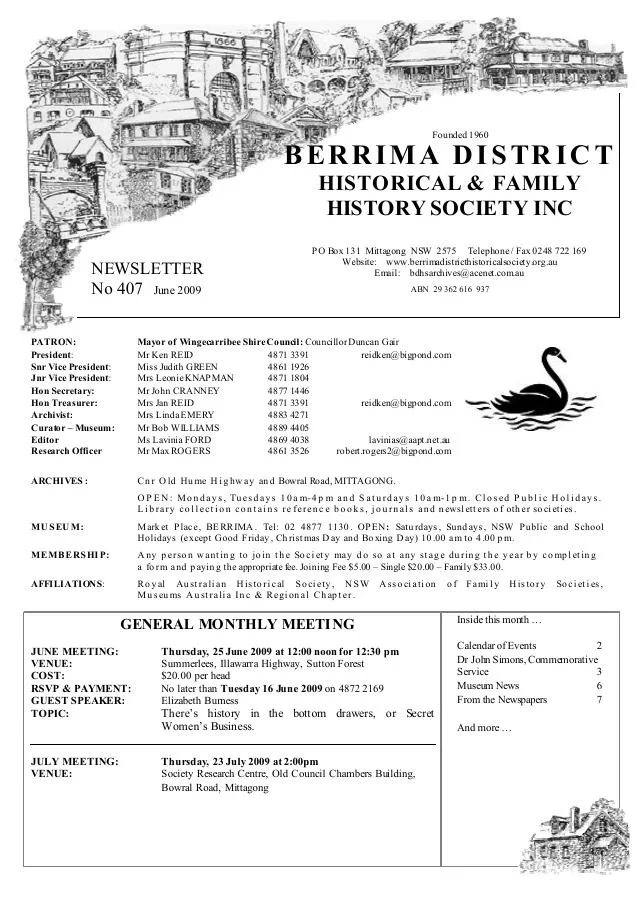
Stories about Manchester Square in the Society’s newsletters.
Further research
There is more to discover about Manchester Square in the Society’s archives and in other collections. A catalogue entry may lead to material that has not been digitised or needs to be consulted in person.
- Ask the Society’s research centre about local files, photographs and records.
- State Library of NSW collections - search photographs, maps, manuscripts and local publications.
- NSW Historical Land Records Viewer - search historical land records, plans and parish maps by place or parcel.
Sources already connected with this place include:
- Wingecarribee Community Heritage Study peer review, 2024: Manchester Square
- Wingecarribee Community Heritage Study: Meryla Pass historical evidence
- NSW Department of Education: Manchester Square historical school records
- Opening of a butter factory, The Daily Telegraph, 5 February 1891, p.5
The Society can undertake professional research at $40 per hour. Contact the research centre to discuss your question and request a quote.